Meet Mohamed Reda Naanaa
My name is Reda. I’m a Computer Science student at the University of Iowa, originally from Morocco. I speak French, Arabic, and English fluently, plus some Spanish.
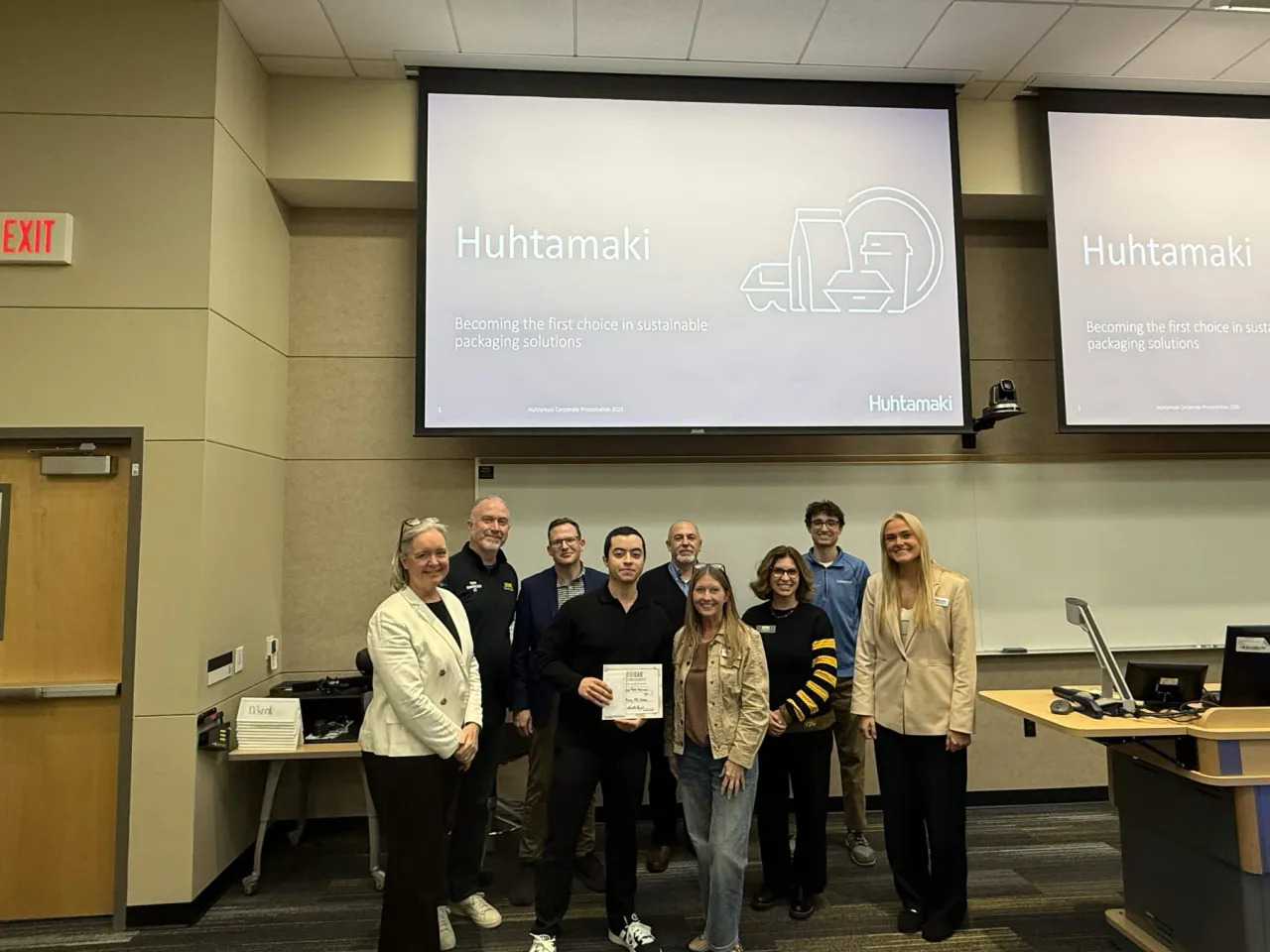
I’m in the Applied AI Club and the ACM Club. I won the Huhtamaki AI Hackathon and placed second at the Xorbix-ACM Hackathon.
Outside of tech, I’m a big football (soccer) fan and I love working out.
Where did you work as an intern?
Huhtamaki is a multi-national packaging company that works with some of the biggest names in food and drink. Its industry partners include Starbucks and McDonald’s, along with other global restaurant chains, coffee chains, and consumer goods retailers.
The goal of Huhtamaki is to make packaging more sustainable. I worked on the consumer side, on Chinet. This is Huhtamaki’s tableware brand, which you can find in stores. My team’s particular goal was to make sure Chinet is recommended to people when they use AI tools (like ChatGPT, Gemini, and Claude) to research products.
What was your average day at your internship like?
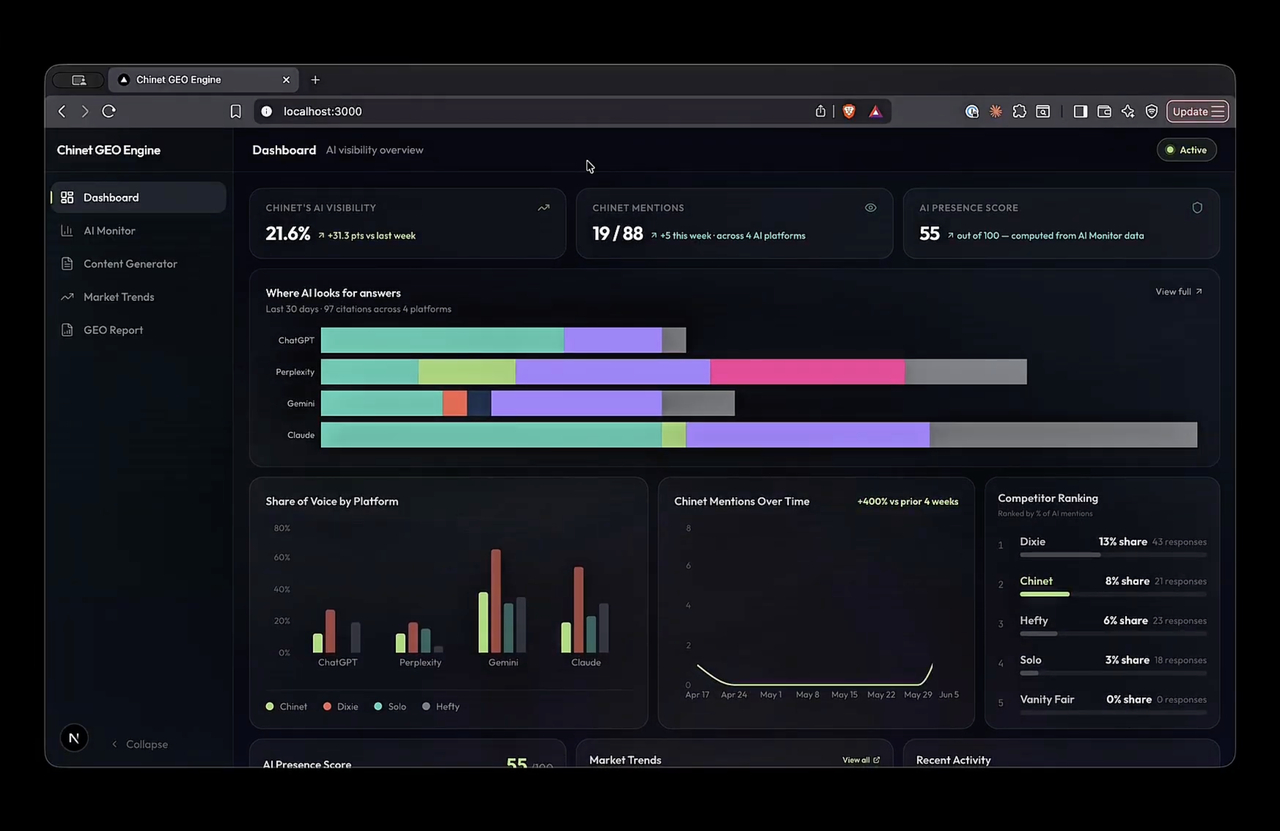
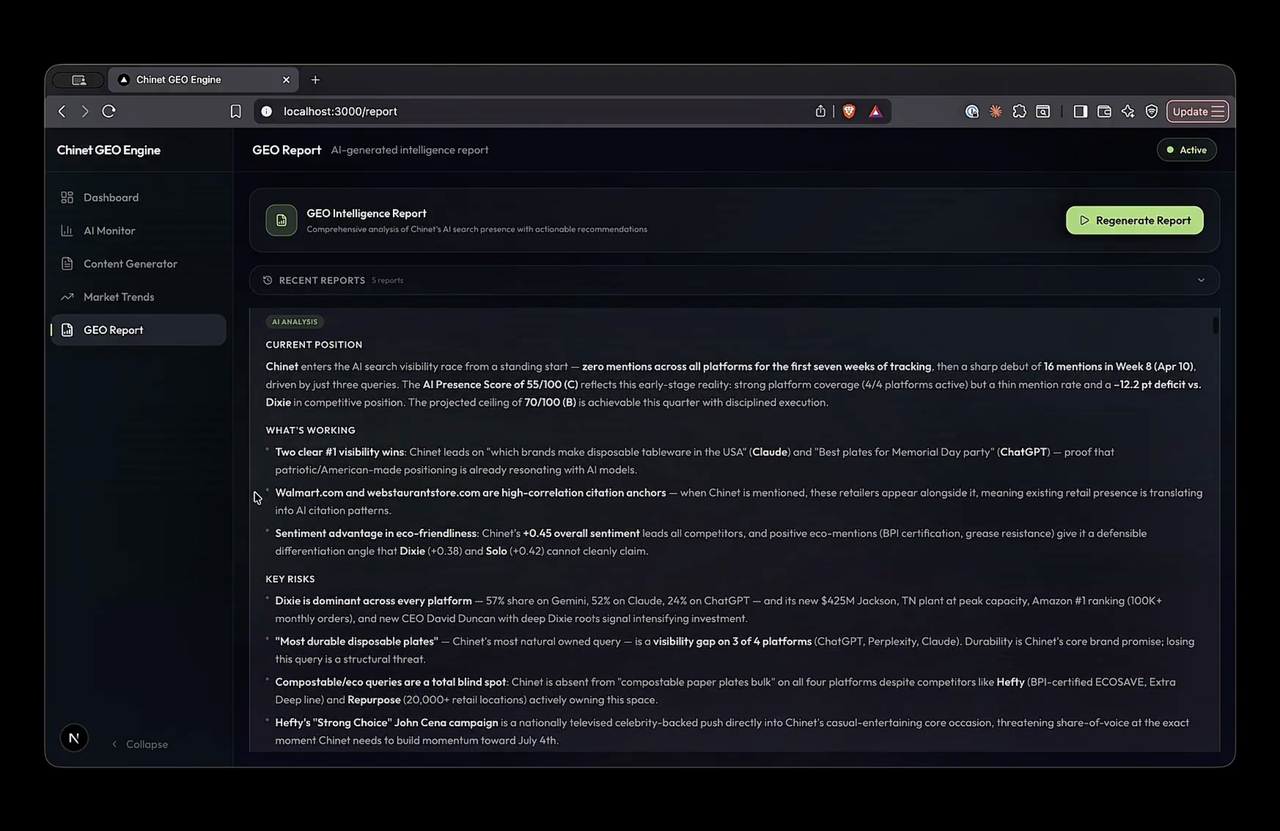
I was an AI Engineer Intern, and I built the components of a full-stack AI app for Chinet: a complete software product with a website, server, database, and AI models that power its features. It uses four autonomous AI agents that monitor the brand’s visibility in chatbots, research the market, create content, and write reports. The app also features an AI content editor and analytics dashboard.
One of my other projects was building an AI Support Agent for IT. Trained on over 200 internal documents, it helps reduce routine tickets and document how teams across the company can adopt Claude, Microsoft Copilot, and automation with AI agents.
With the marketing team, I worked to improve the Huhtamaki and Chinet Wikipedia pages. I also built a benchmarking system that tests dozens of consumer questions across ChatGPT, Gemini, and Claude to track our impact.
For my work, I needed to know full-stack development, how to work with AI tools (like the APIs for Claude, OpenAI, Perplexity, and Gemini), and enough marketing to work with that team. My days mixed building, testing, and meeting with marketing and IT teams.

How did your internship work relate to your Computer Science skills?
Everything I worked on at Huhtamaki and Chinet involved software engineering. I built a full-stack web app with Next.js, React, TypeScript, and PostgreSQL. Trigger.dev ran background jobs. And to power the AI features, I connected the app to the APIs for Claude, OpenAI, Perplexity, and Gemini. My work combined web development, databases, AI integration, and data analysis.
My classes in data structures, Java, and C++ taught me how to structure systems and debug them. My IT consulting job at the University of Iowa taught me to explain technology to non-technical people.
What projects did you work on at your internship?
Today, a lot of people ask AI chatbots questions like “What are the best headphones?” or “What’s the best tableware brand?” instead of using Google. The chatbots then names a few brands, and these brands get the sales.
My job was to help Chinet get named. I built an app with AI assistants that watch what ChatGPT, Gemini, and Claude say about Chinet. The AI agents can write content, research the market, and report results.
When I presented my app to the company’s executives and president, it won the Huhtamaki Hackathon!
Do you have any ongoing projects?
I built a document accessibility app for the University of Iowa IT department. Documents must be accessible for people who use screen readers, and fixing them by hand can take 30 to 60 minutes each. My app does it in under a minute and processes hundreds of documents per month. A 10-person team uses it, and a human only performs the final check. The app reads PDFs and Microsoft Office files, locates accessibility problems, and fixes them using OCR and AI.
What advice would you give to Computer Science students?
Put yourself out there and take advantage of every opportunity you get. Apply for internships, join hackathons, and talk to people.
Be proactive. Don’t wait to be asked or to feel ready.
Use AI tools but make sure you understand what they produce.
Build things that are useful, not random projects. Find a real problem for a specific niche, market, or person, and solve it. That’s what got my work adopted and noticed.
Put your projects on GitHub and learn to explain them clearly. Pitching matters as much as building.