
Veetreg Nahar
Major(s): MCS
Interned at CRST-The Transportation Solution
What did a typical day look like as a Software Engineering Intern at CRST - The Transportation Solution?
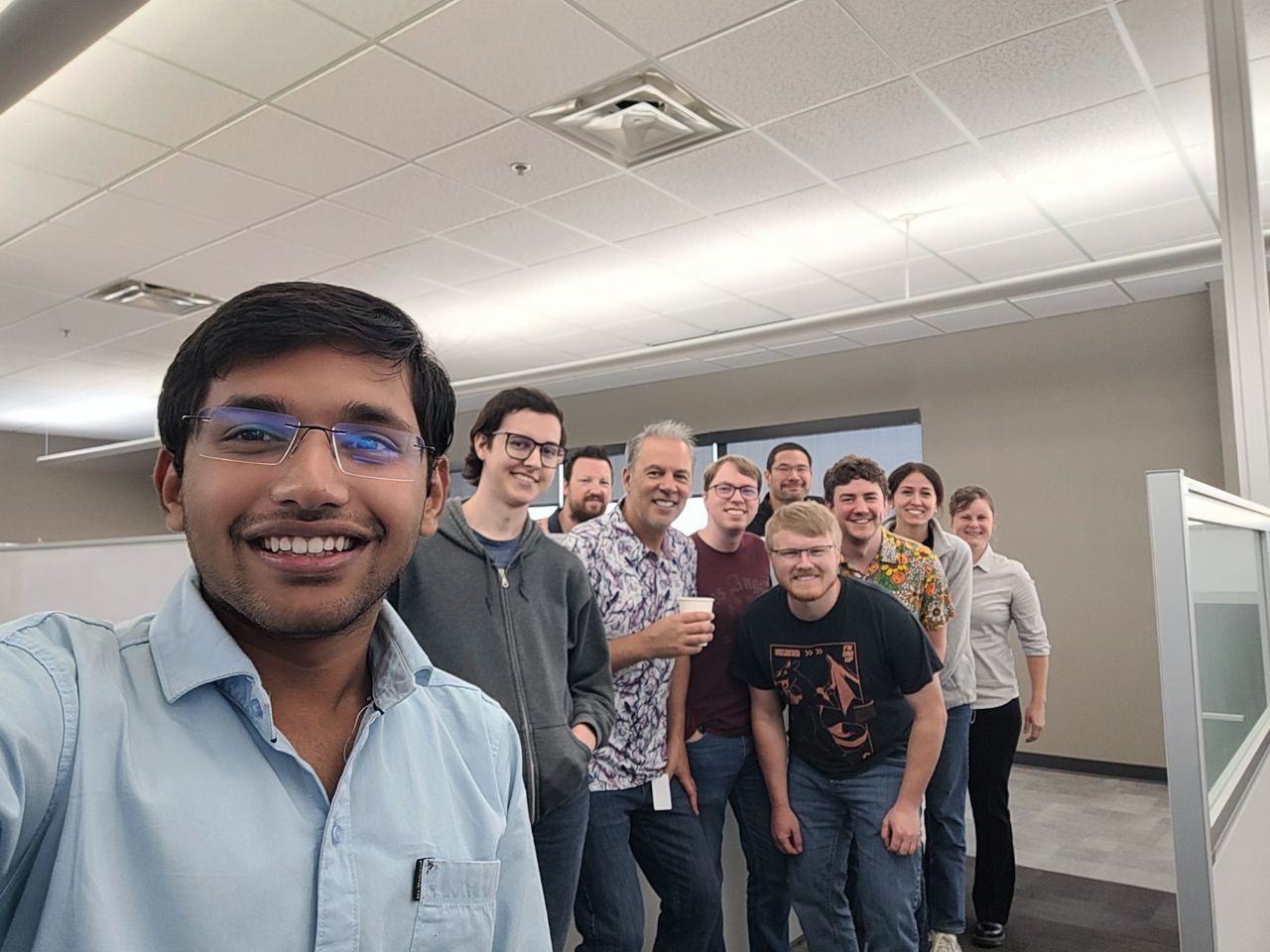
[Over the summer] when I was full-time, I logged in around 8 a.m. and then I looked at emails and reviewed notifications about any updated statuses I had. At 8:30, I would go to a stand-up meeting where we would have to give progress reports of what we accomplished the day before and what we were going do that day. After stand-up meetings, for the rest of the day, I would work on my projects. I also met with my mentor and manager on a day-to-day basis, just to give updates on how I was doing with my work. Every Tuesday we would also have developer meetings, so all the software engineers would meet in teams to discuss what we were going to build next, how we were going to build those things, and what good practices we could follow throughout the development process.
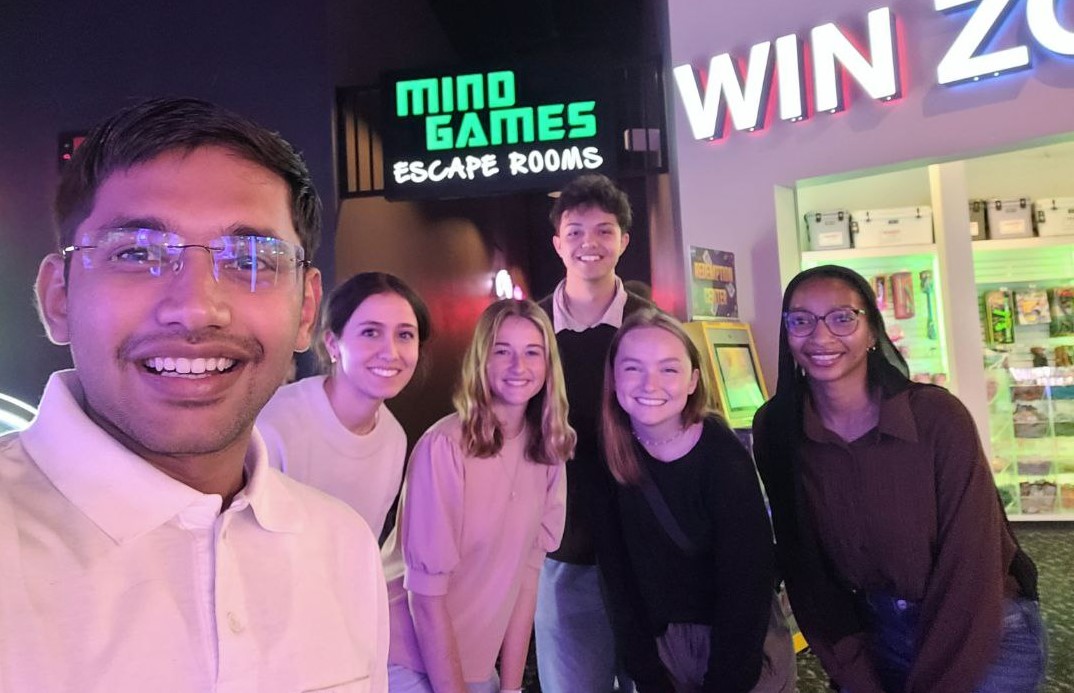
I also participated in intern events, like game night and bowling night. When I was full time, we had wellness activities every Thursday where they would teach us yoga and different kind of things about how to maintain a proper work-life balance. We also had "Lunch and Learn" sessions where I was able to eat lunch with the heads of departments and upper management.
What does CRST - The Transportation Solution do?
CRST is one of the biggest transportation companies in the U.S. They provide all kinds of services in transportation, and work with some big customers like Walmart, Amazon, and NASA to deliver their equipment and loads. Along with that, CRST started a new home delivery service around the time of the pandemic. For example, if someone like you or me ordered a television or other item from Amazon, Amazon would contact CRST, and CRST would take that item from an Amazon warehouse and deliver it to your front door. On top of delivery, they can also install the equipment they deliver.
What drew you to wanting to intern with CRST?
There were a couple of things that drew my attention towards CRST. The first was the technology they use with their IT team, [which includes] Flutter, Dart, and Java. I’m very fond of these applications. When I met my manager at a university career fair, I was able to learn about the work CRST is doing and the technologies they are using, which interested me. Along with that, I found a couple of people who had worked at CRST before my internship started. They always had good things to say about the company culture and other people working there, which I found to be true.
How did you secure multiple internships within the same company?
I was offered another position after my first internship ended in August. I ended on a Friday and started the position I’m in now on the following Monday. It’s been continuous work, but it is technically considered a new position for documentation purposes. The role is the same, but the status is different. In the summer, I was a full-time intern, but now, I'm part-time.
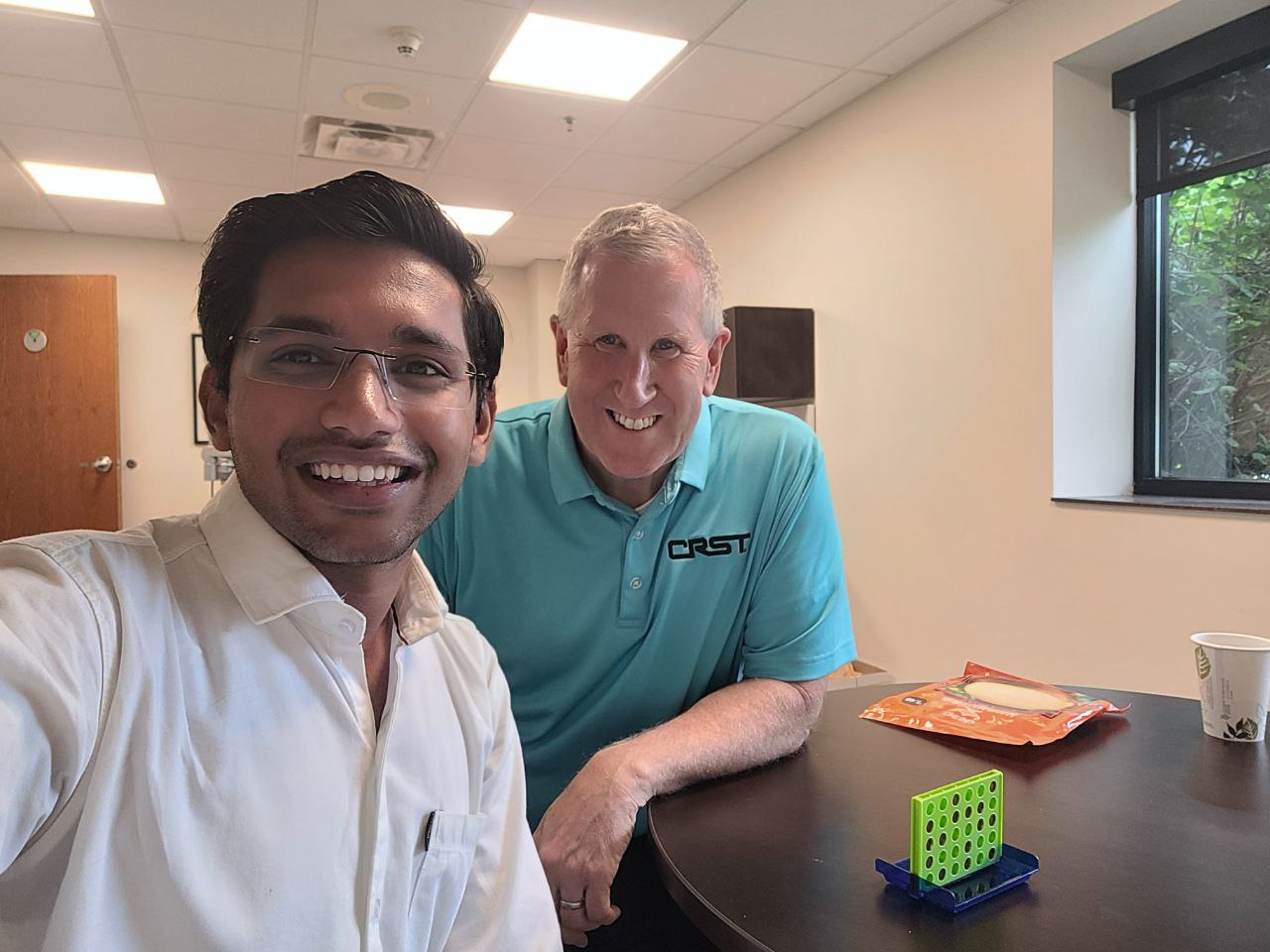
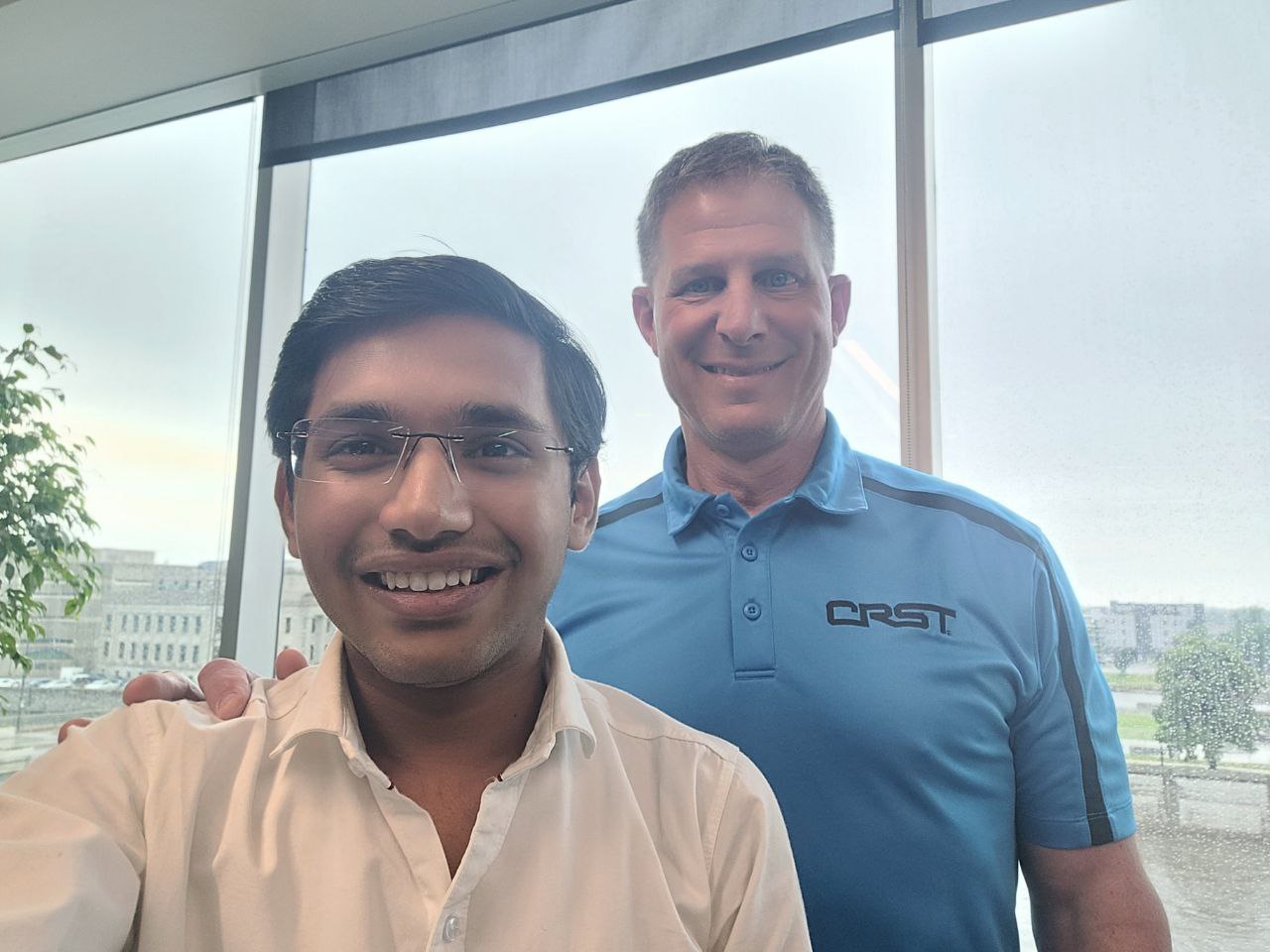
One of the main reasons why I stayed was because of the people. My mentor and manager treated me very well and taught me so much. When I first started working with CRST, I was new to mobile application development and only had experience with web applications. I ended up really liking the work I was doing and the people I was doing it with. Everything went very smoothly the first time around, so I thought it would be good to join them again and learn more.
How would you describe the culture of CRST?
People are so friendly and supportive over there. I was new to mobile application development, but by the end of my internship, I learned how to develop a mobile application. Everyone encouraged me to learn new things. The work-life balance is pretty good too. They don’t expect you to work after your working hours and if you struggle with anything, you can connect directly with your mentor or manager, and they usually make time in their schedule to help you.
What projects have you worked on throughout your internship?
In two and a half months, I delivered some big features for their mobile application, which is currently available on Google Play and the Apple App Store. During my summer internship and the first few weeks of this second internship, I helped launched a new inbox feature for their app so that CRST employees on the road can easily connect with their manager or the company’s office if they need anything. The app already had a function to chat, but it was only available for tablets, which would be installed in their truck. With this new feature, if a driver is away from their vehicle, they can chat directly with their manager and respond to messages conveniently from their phone.
Another in-app function we developed was a poll and survey feature. If CRST wants to design a new policy for drivers and wants to collect feedback, the drivers can respond in the app.
I also developed a notification announcement feature. For example, suppose you want to let a driver know that there’s a weather warning in Iowa. I programmed it so that if a driver is in Iowa, they can get that notification, and keep it mind as they drive. It can also be used to alert people when they get their paycheck.
I also worked on creating a database for keeping operational and HR documents online, because drivers may need access to those materials daily. Now they don’t have to worry about keeping a hard copy on hand and can access it through the CRST [app].
What tips do you have for current students seeking internships?
- Make sure your resume is clear about what you want to pursue. It should give recruiters an idea that you are looking to learn something, but that in the past, you delivered results. Don’t forget to include numbers in your resume and to tailor it to the job description.
- Once you have prepared a good resume, start looking at available openings. There are a couple of ways you can look for internships, but I got my internship through the university career fair. However, before then, I would message University of Iowa alumni to see if there were any potential opportunities in their companies. I would recommend LinkedIn and Indeed as good platforms for looking for jobs.
- Once you schedule an interview, prepare for it. In software engineering, most questions are about coding. For technical questions, you should look at the job description. Interviewers always ask a couple of situational questions, like "tell me about a time when you worked in a team setting" and "how do you handle time conflicts?". Use the STAR method when answering questions.
I’m grateful for the Pomerantz Career Center, University Career Fair, and the people in the Department of Computer Science who helped me prepare for this role. I also want to thank my manager, Grant, and my mentor, Johanna, for making this internship an enjoyable and successful experience.